

Ensuring Long-Term Stable Operation of Chemical Plants: Beondt DT2008 Pulsed Eddy Current Testing Instrument Visits Anhui Haoyuan Chemical
The long-term and stable operation of chemical plants depends on continuous monitoring and effective management of corrosion under insulation (CUI) in pipelines, storage tanks, and other equipment.
For insulated pipelines covered with aluminum cladding, conventional ultrasonic thickness measurement generally requires insulation removal. Shutdowns, insulation dismantling, and subsequent restoration involve complicated procedures, extended turnaround time, and high costs. These challenges have long been a major concern in petrochemical and chemical industry inspections.
Recently, at the invitation of Anhui Haoyuan Chemical Group Co., Ltd., Beyondt brought its DT2008 Pulsed Eddy Current Testing Instrument to the site for technical discussions and practical demonstrations. The team conducted CUI inspection trials on critical process pipelines, including those in the methanol washing unit.
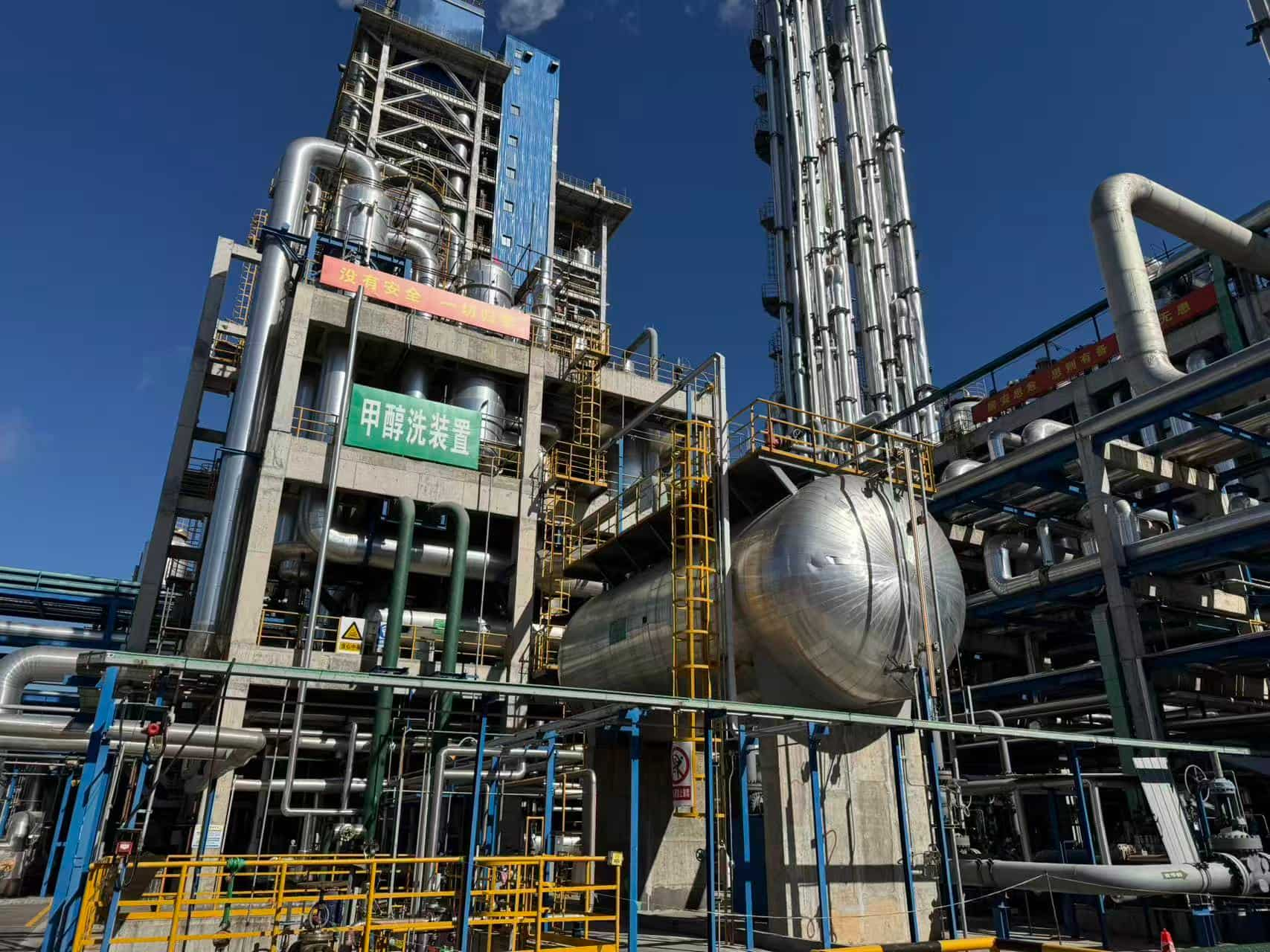
At the methanol washing unit of Haoyuan Chemical, towers and pipelines form an essential part of the entire chemical production process. Complex operating conditions and continuous equipment operation place high demands on inspection efficiency and safety.
Many pipelines are covered with thermal insulation and aluminum protective cladding, making it difficult to directly assess the corrosion condition of the underlying pipe walls. Conventional inspection methods can limit the efficiency of routine plant inspections.
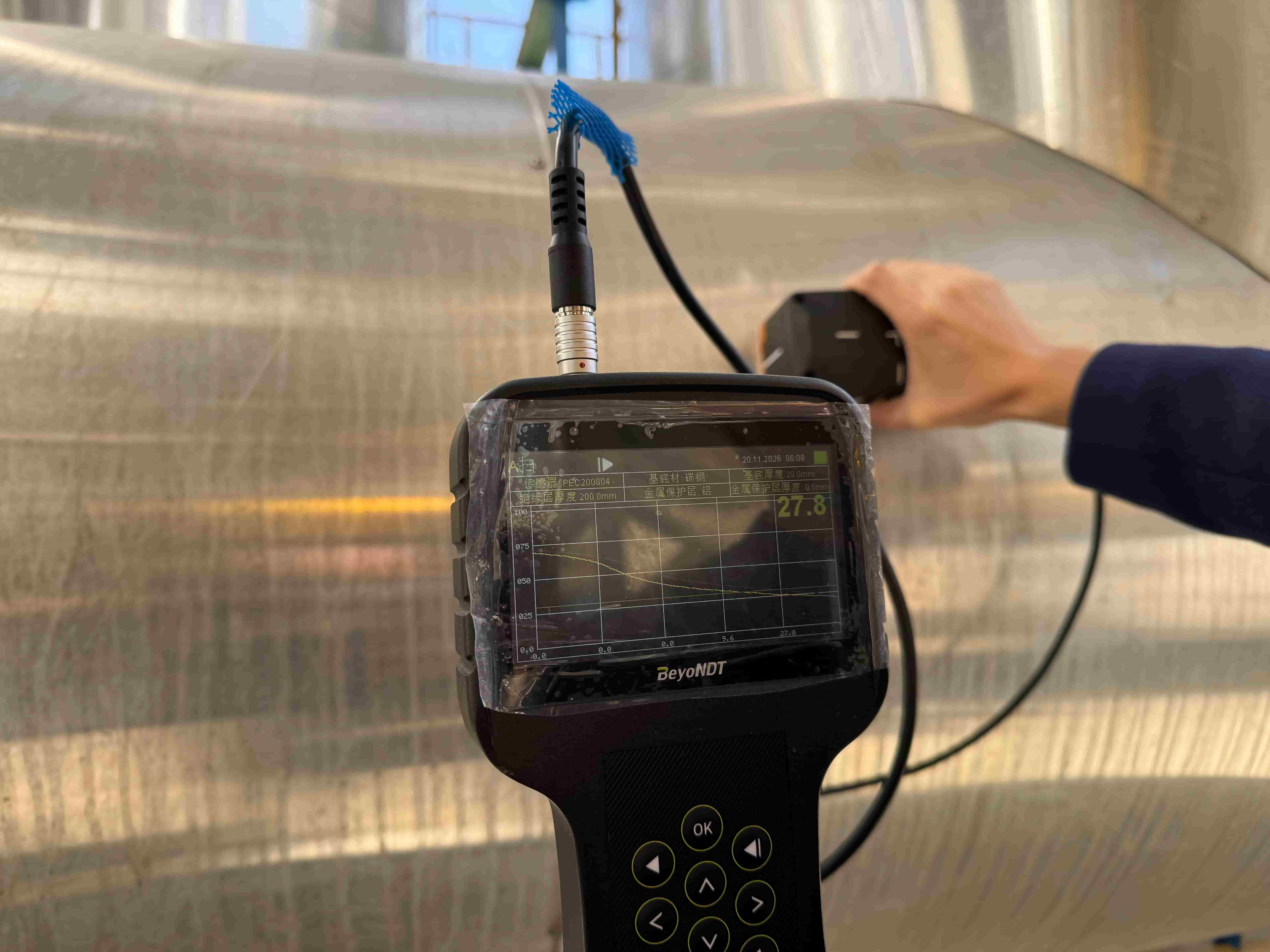
The Beondt DT2008 Pulsed Eddy Current Testing Instrument was used for the on-site demonstration.
One of the key advantages of pulsed eddy current testing is that, under suitable testing conditions, inspection can be performed without removing the insulation or stripping off the aluminum outer cladding. The probe can be placed directly on the outer insulation surface to measure the remaining wall thickness of the underlying metal substrate and identify areas of corrosion-related wall thinning. Wall-thickness curves can also be generated to help visualize and assess pipeline corrosion conditions.
However, the on-site demonstration also highlighted a practical limitation: elevated pipelines at the top of structures, auxiliary pipes in the upper sections of towers, and areas above storage tanks can be difficult for personnel to access. Scaffolding installation is costly and requires lengthy approval procedures. These challenges limit the reach of conventional handheld inspection equipment.
This limitation led to further technical discussions between both parties: Could pulsed eddy current technology evolve from a handheld instrument into an integrated inspection module mounted on robots or drones, enabling inspection in hazardous and inaccessible areas?
The handheld DT2008 addresses insulation-free-removal inspection needs for most accessible pipelines. Automated inspection solutions are intended to target elevated, hazardous, and difficult-to-access pipeline areas.
During the discussions, the teams focused on a modular integration approach: combining Beyondt's DT2022 Pulsed Eddy Current Module with robotic platforms or drones.
The lightweight pulsed eddy current module can be integrated into tank wall-climbing robots, pipeline-crawling robots, or the end effectors of robotic arms. These platforms can travel along tank walls and long elevated pipelines to perform autonomous and continuous scanning.
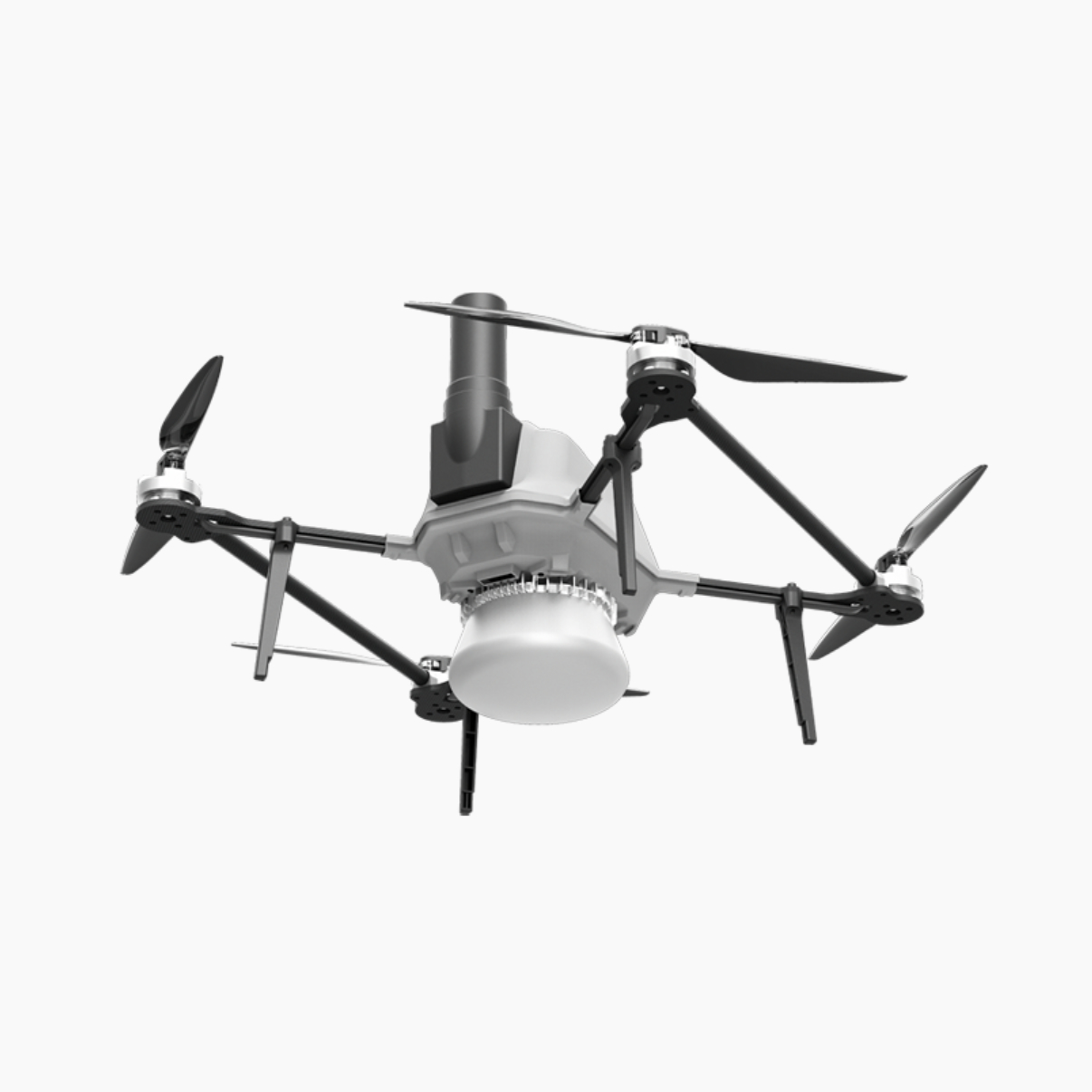
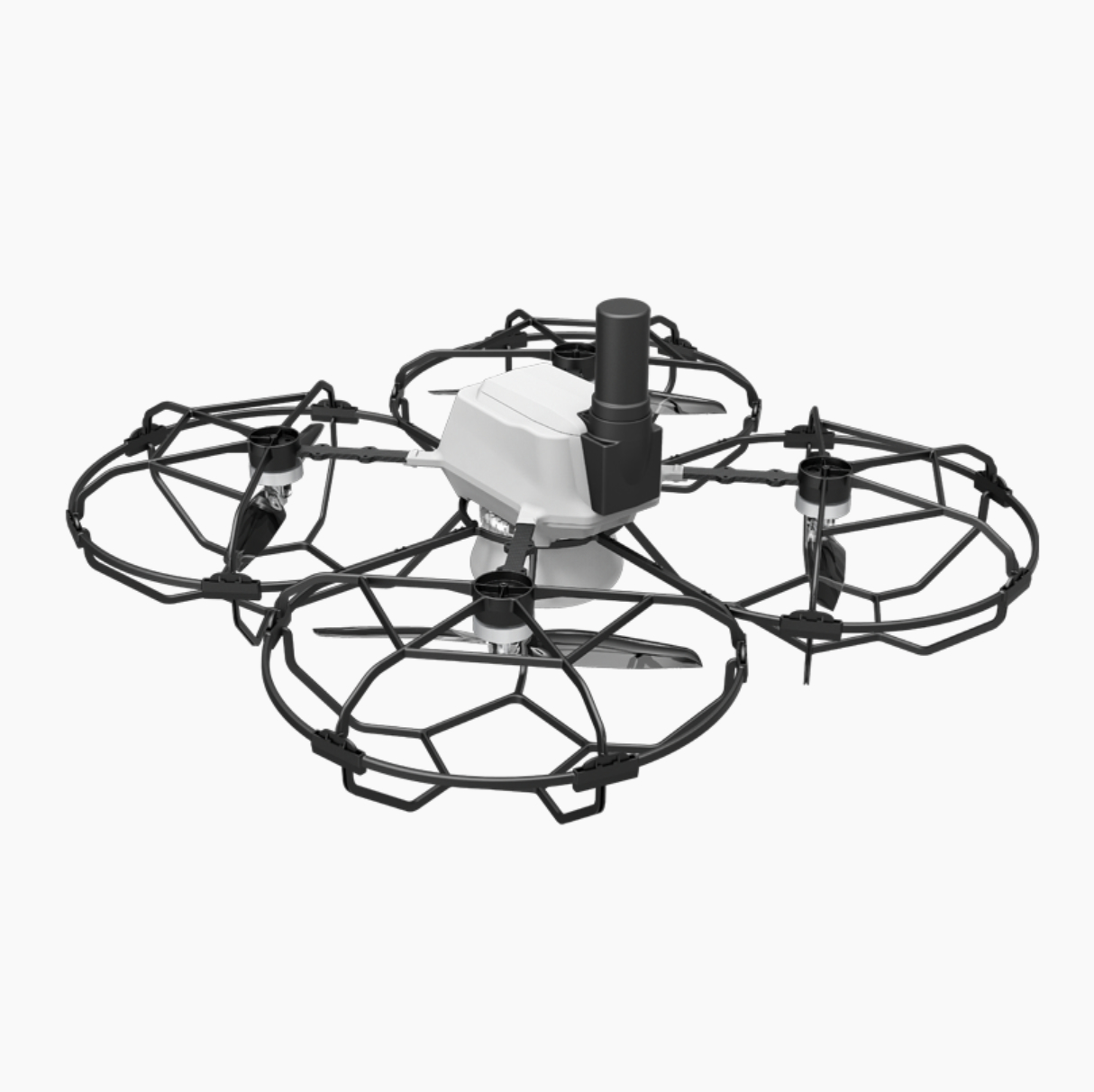
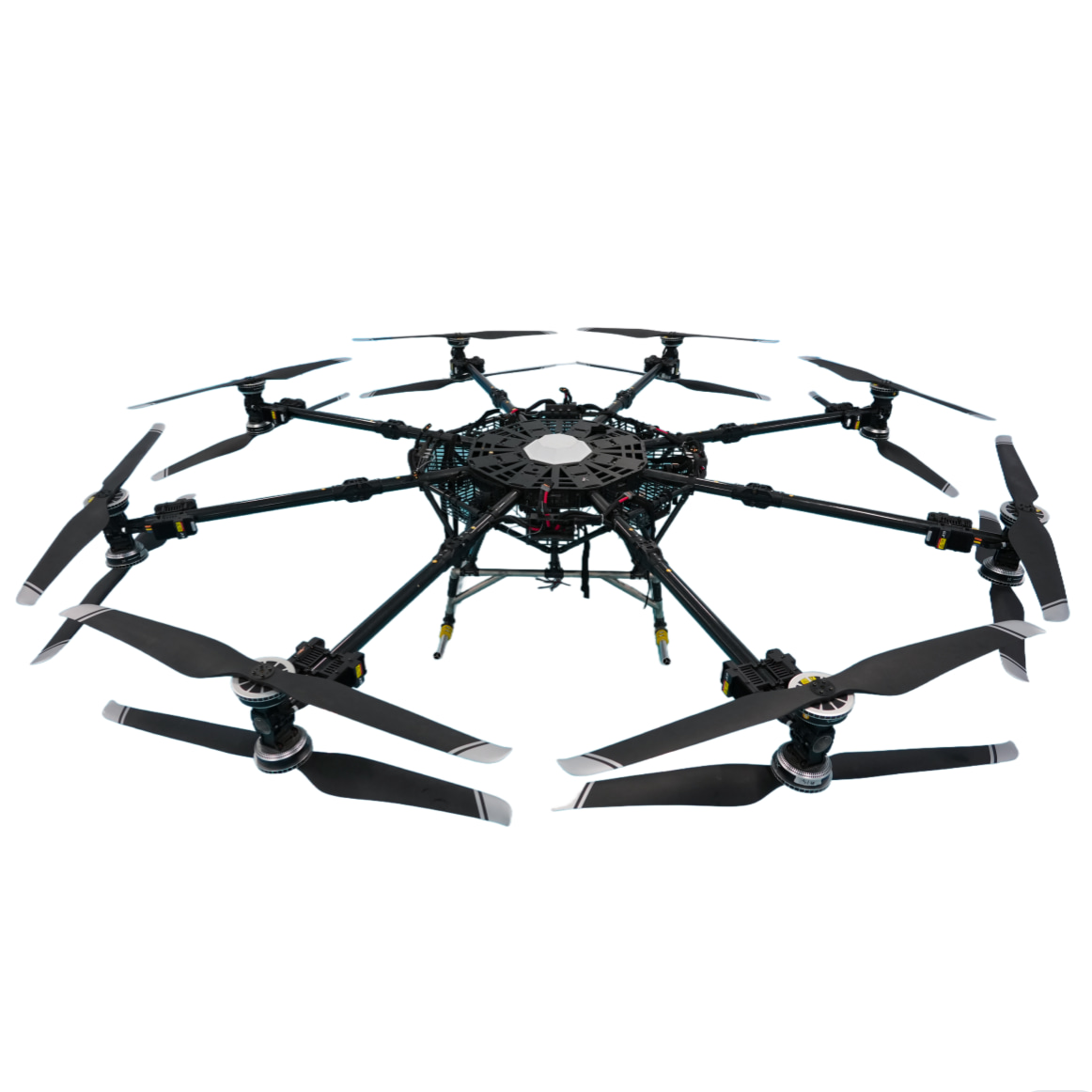
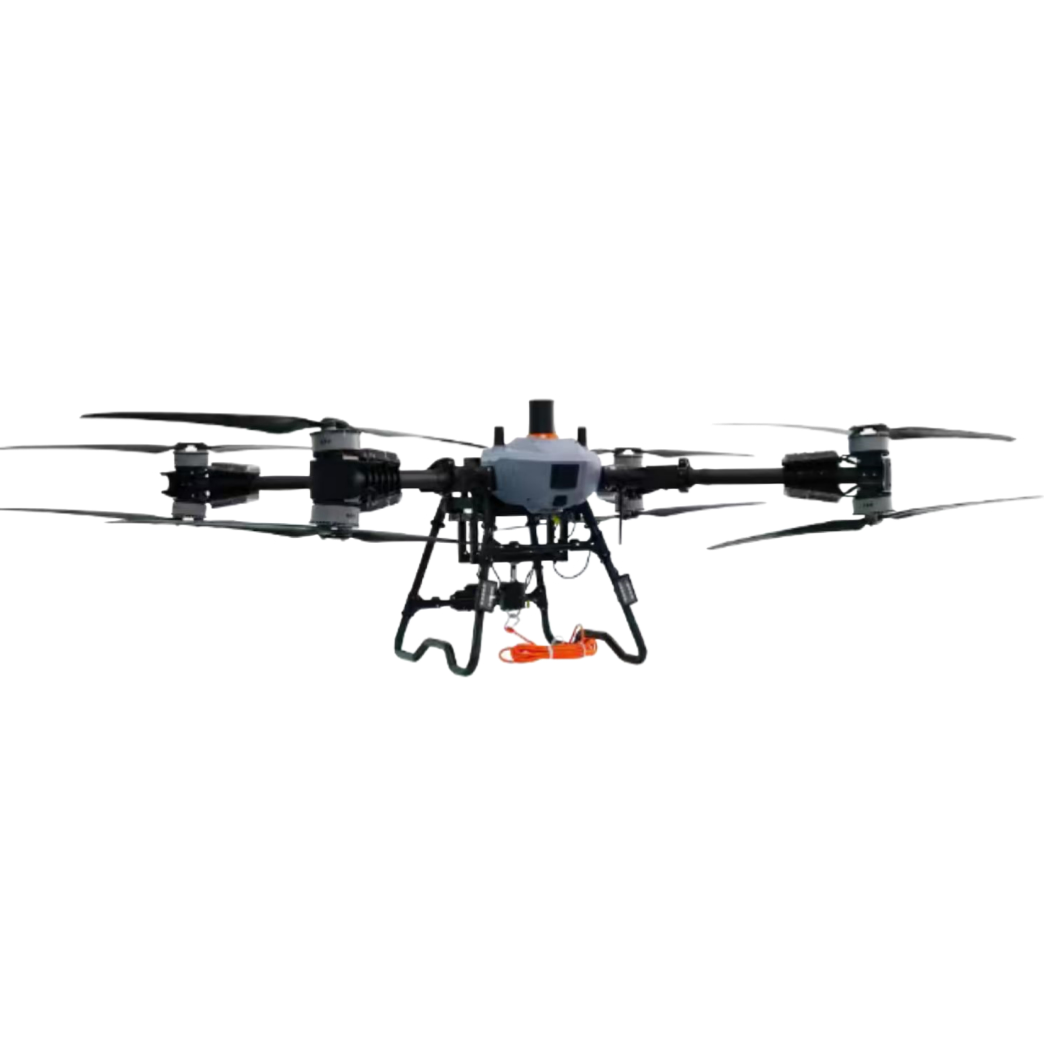
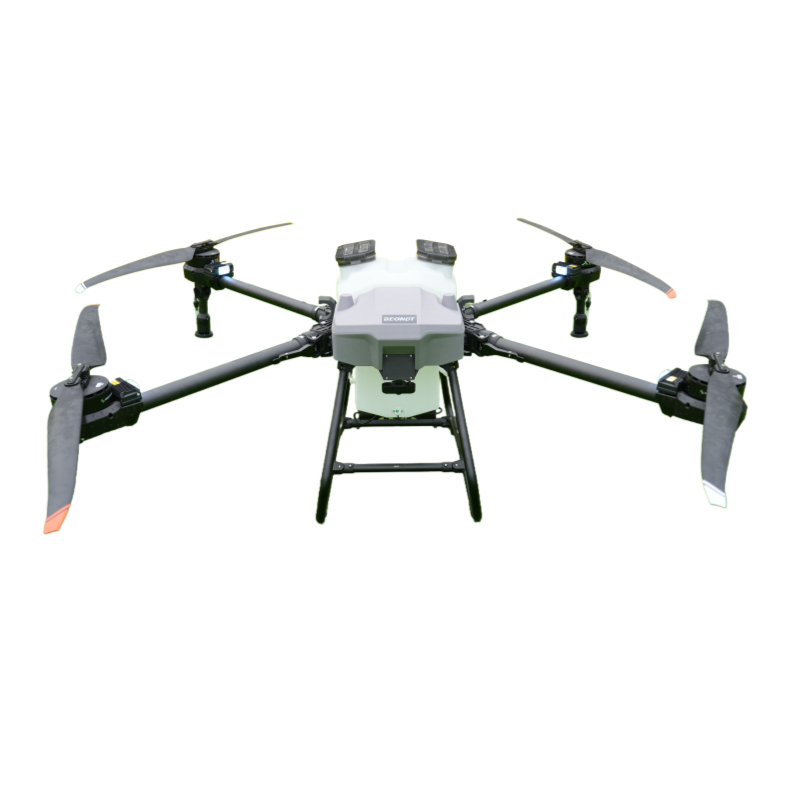
For elevated pipe racks, pipelines near tower tops, and high-level supports—areas characterized by numerous scattered and suspended inspection points—a drone-based hovering and point-inspection approach can be explored.
By integrating a pulsed eddy current module, a drone could approach the insulated surface and perform targeted measurements of the remaining pipe-wall thickness, helping screen for concealed CUI defects.
Reduced need for personnel to access elevated areas
Drones can carry inspection devices close to elevated equipment, reducing the need for personnel to directly access potentially hazardous locations.
Greater inspection flexibility
The mobility of drones offers the possibility of inspecting equipment at different heights and locations, providing more options for large-scale equipment inspection.
Expanded industrial inspection coverage
More flexible auxiliary inspection solutions can be explored for large horizontal vessels, chemical pressure vessels, and industrial pipelines.
Advancing intelligent inspection
By integrating pulsed eddy current modules, data acquisition systems, and intelligent analysis algorithms, further development of automated inspection and data analysis becomes possible.
From bringing the DT2008 to Anhui Haoyuan Chemical for on-site inspection to discussing the integration of pulsed eddy current modules with intelligent mobile platforms, BeneTech has consistently focused on practical customer needs.
This visit was not only an on-site application demonstration of DT2008 in insulated chemical plant pipelines, but also a technical discussion exploring the transition from handheld point-by-point inspection to automated and unmanned inspection.
Looking ahead, Beyondt will continue to focus on the development of pulsed eddy current testing technologies and equipment, actively exploring their integration with automated and intelligent platforms to provide more non-destructive testing solutions for the chemical, energy, and industrial manufacturing sectors.
No. 90, Innovation Avenue, Hefei, Anhui, China


Our hours
Mon to Fri: 9 AM - 7 PM (GMT+8)
 English
 العربية
 русский
 español
 português
 Türkçe
 français
 日本語
 Deutsch
 繁體


 IPv6 network supported